
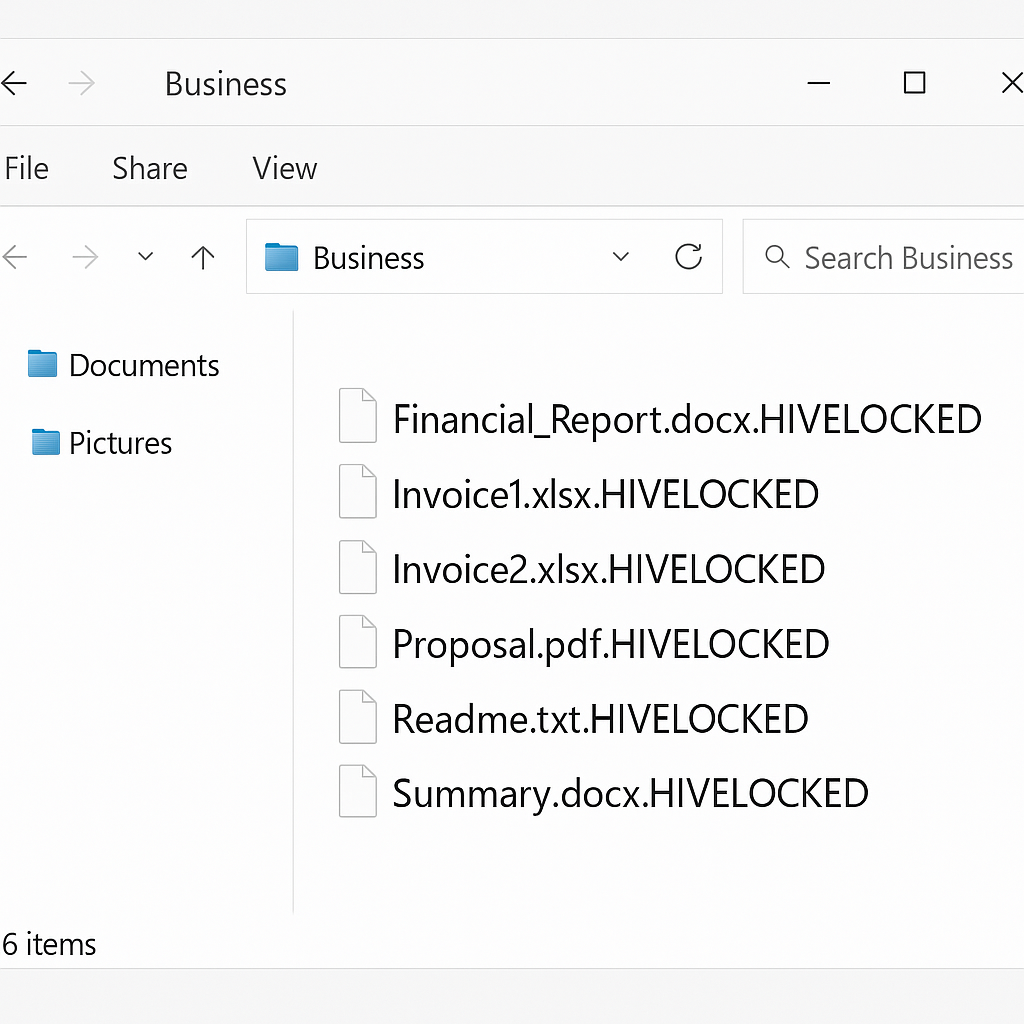
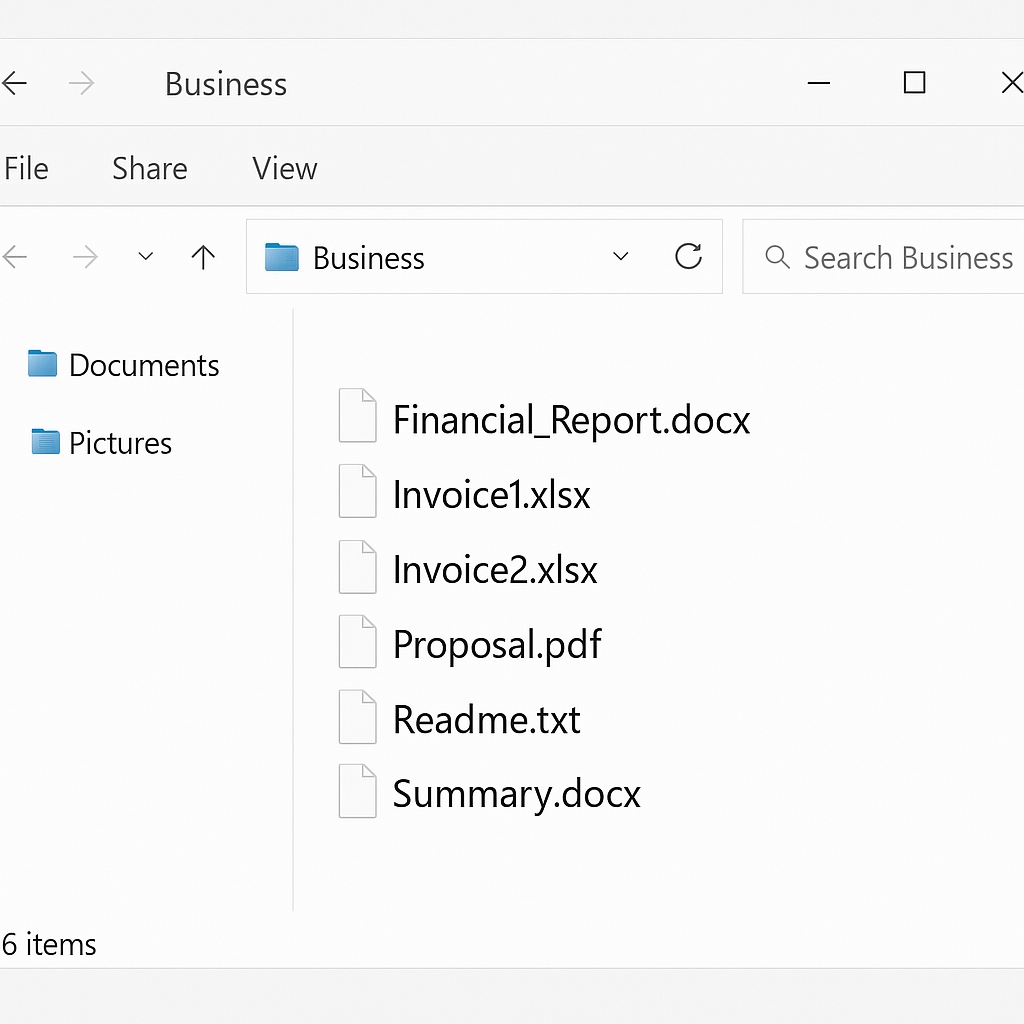
The first signs of trouble in a mid-sized business in Brunei did not look like a cyberattack. Users reported that systems were “slow” and some applications would not open. Minutes later, shared folders started failing and key application data refused to load. On closer inspection, critical files on an internal server had a new extension like .HIVELOCKED, and ransom notes appeared in multiple directories. It was HiveWare Ransomware, and core business systems were suddenly unavailable.
The company faced potential downtime, lost revenue, and shaken customer confidence. Instead of reacting in panic, the team chose a structured HiveWare Ransomware incident response and recovery process.
Containing the HiveWare Ransomware Incident in Brunei
The first priority was to stop the spread, not to chase an instant “fix”.
The IT team immediately:
- Disconnected affected servers and storage from the network.
- Disabled risky remote access methods and unused admin accounts.
- Instructed staff to stop opening shared folders and to avoid “free decryptor” tools from the internet.
- Preserved ransom notes and a small sample of encrypted files for analysis.
By isolating systems early, the organisation prevented HiveWare Ransomware from reaching additional servers, endpoints, and any connected backup targets. The encrypted data remained stable, which later made proper analysis and recovery possible.
Giving Management a Clear View of the Impact
Next, IT and operations prepared a short, business-focused briefing for management. The goal was to communicate impact and options, not technical jargon.
They explained:
- What was affected: several internal business systems, shared data folders, and some application data.
- What still worked: email, some cloud services, and external communication channels.
- Key risks: delays in orders and billing, disruption to internal workflows, and potential reputational damage if the situation dragged on.
This clarity allowed management to make rational decisions. They agreed to prioritise systems that directly supported revenue and customer service and to support a structured HiveWare Ransomware recovery effort instead of pushing for a quick ransom payment.
Technical Assessment and Involving Specialists
With containment in place, the team moved to technical assessment.
They mapped:
- Which servers, shares, and applications were encrypted.
- What backup mechanisms existed and where those backups were stored.
- When unusual events first appeared in logs and user reports.
Encrypted file samples and relevant logs were collected. At this point, the company contacted ransomware recovery specialists via FixRansomware.com and uploaded sample files through the secure portal at app.FixRansomware.com.
The objectives were to confirm the HiveWare Ransomware variant, understand how it handled different file types, and identify realistic recovery options. For overall strategy, the team also consulted the official CISA Ransomware Guide, which emphasises three stages: isolate, assess, and recover.
Data Recovery After HiveWare Ransomware Took Over Business Systems
With more information, the organisation and external experts designed a recovery plan tailored to the affected business systems in Brunei.
Key elements included:
- Clone before touching production disks
Sector-level clones were created for the volumes holding business data. All tests and potential decryption attempts were performed on these clones, leaving original disks as a fallback. - Identify clean and trustworthy backups
The team located backup sets stored on separate devices, including some that were offline during the attack window. These backups formed the baseline for restoring critical systems, even if some of the very latest edits were missing. - Restore in business-first order
Instead of trying to restore everything at once, the team prioritised systems that supported invoicing, current projects, and customer communication. Less critical archives and internal reference data were scheduled for later. - Reconstruct recent data where necessary
For some gaps, recent data existed only in exports, email attachments, or files on machines that escaped encryption. These sources were used to reconstruct missing information, with documentation of each manual correction for audit and future reference.
Once restored systems passed integrity checks and basic functional testing, users were gradually allowed back into the environment under close monitoring.
Lessons Learned from the HiveWare Ransomware Case in Brunei
In the end, the company recovered essential business systems without paying ransom. The HiveWare Ransomware incident highlighted several important lessons:
- Backup strategies must include at least one offline or immutable layer, especially for core business data.
- Remote access and admin privileges require strict control and regular review.
- A clear, rehearsed incident response plan reduces confusion when an attack occurs.
After the incident, the organisation strengthened its backup design, enforced multi-factor authentication for privileged accounts, tightened access controls, and documented a concise internal playbook for future security events.
The attack showed how quickly HiveWare Ransomware can take over business systems in Brunei—but it also proved that a disciplined response, combined with expert help, can bring data back and leave the organisation more resilient than before.
